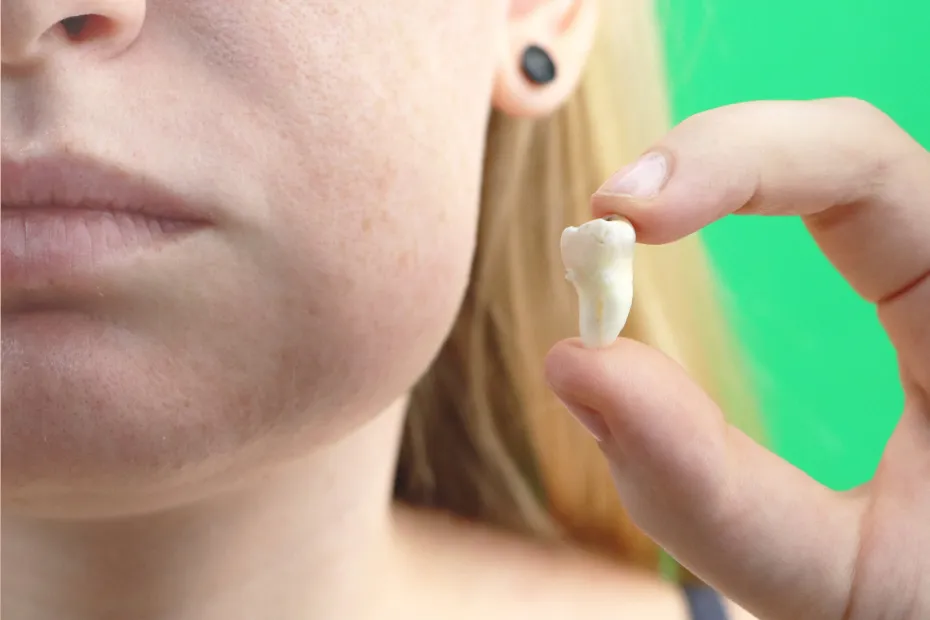
Tooth extraction can be overwhelming, especially if you are unsure what to expect afterwards. Some pain, tenderness and swelling are normal following a tooth extraction. So, you may be wondering: how long does tooth extraction pain last? We’ll discuss this and more in this blog.
How Long Does Pain After Tooth Extraction Last?
Pain after tooth extraction is usually most noticeable once the local anaesthetic wears off. For many people, discomfort is strongest during the first 24 to 48 hours before gradually improving. However, recovery can vary depending on the type of extraction and your individual circumstances. You may continue to experience some tenderness or sensitivity for several days, particularly when eating or touching the area.
Following your dentist’s aftercare instructions can help support the healing process and reduce your risk of complications. More complex extractions, for example, wisdom tooth removal, may cause discomfort for longer than a straightforward extraction.
What Does Tooth Extraction Pain Feel Like?
After an extraction, it’s normal for the area to feel sore, tender or sensitive. You may even experience some swelling around the extraction site and find that discomfort is more noticeable when eating, drinking or opening your mouth, particularly during the first few days. However, the symptoms should generally become less noticeable as the area heals. If your pain continues to worsen rather than improve or becomes severe, contact your dentist for advice.
What Can You Do To Manage Pain After Tooth Extraction?
Your dentist will give you specific aftercare advice based on your treatment. Following these instructions can help protect the blood clot that forms in the socket and support normal healing. For example:
- Take recommended pain relief as directed by your dentist or healthcare professional.
- Avoid strenuous exercise immediately after your extraction.
- Eat soft foods that are comfortable to chew.
- Avoid very hot food and drinks while the area is healing.
- Keep the extraction site clean according to your dentist’s instructions.
- Avoid smoking, as this can interfere with healing and increase the risk of complications.
- Avoid disturbing the extraction site with your tongue or fingers.
When Should You Contact Your Dentist About Tooth Extraction Pain?
Some discomfort is expected after an extraction, but you should contact your dentist if you’re concerned about your symptoms. Seek dental advice if:
- Your pain becomes significantly worse rather than gradually improving.
- You experience severe or persistent pain several days after the extraction.
- You develop significant swelling.
- You have a fever or feel generally unwell.
- You notice a bad taste or unpleasant smell coming from the extraction site.
- You have persistent bleeding that doesn’t improve with the advice provided by your dentist.
- You are concerned that something is not healing as expected.
In some cases, increasing or severe pain a few days after an extraction can be a sign of dry socket. Dry socket happens when the blood clot protecting the extraction site becomes dislodged or does not form properly. Your dentist can assess the area and provide appropriate treatment to relieve your symptoms.
How Long Does It Take To Recover From A Tooth Extraction?
The initial discomfort from a tooth extraction usually improves within a few days, but the extraction site can take longer to fully heal.
There are many factors affecting the length of your recovery, such as the type of tooth removed, how complicated the extraction was and your general health. Your dentist will be able to give you more specific advice about what to expect following your treatment.
It is important to remember that everyone heals differently. If you are unsure whether your recovery is progressing normally, contact your dental practice for advice.
How Can I Reduce The Risk Of Complications?
Good aftercare will help your extraction site heal properly. Ensure you follow the instructions provided by your dental team and avoid anything that could disturb the area. In particular, avoid smoking and follow your dentist’s advice about brushing, rinsing and eating after your extraction. Do not attempt to remove anything from the socket yourself. If you have been prescribed medication, take it exactly as instructed.
Speak To Your Dentist If You Are Concerned
Pain after tooth extraction is common for the first few days and should generally improve as the extraction site heals. However, severe pain, worsening symptoms or signs of infection should not be ignored. If you are concerned about your recovery, speak to your dentist; they can examine the extraction site, identify any potential complications and recommend the appropriate treatment.
At Owlsmoor Dental Practice, our team can provide advice and support before and after tooth extraction to help you feel comfortable and informed throughout your treatment. If you have any questions about tooth extraction or think you may need to have a tooth removed, get in touch with our professional team, or book an appointment today!