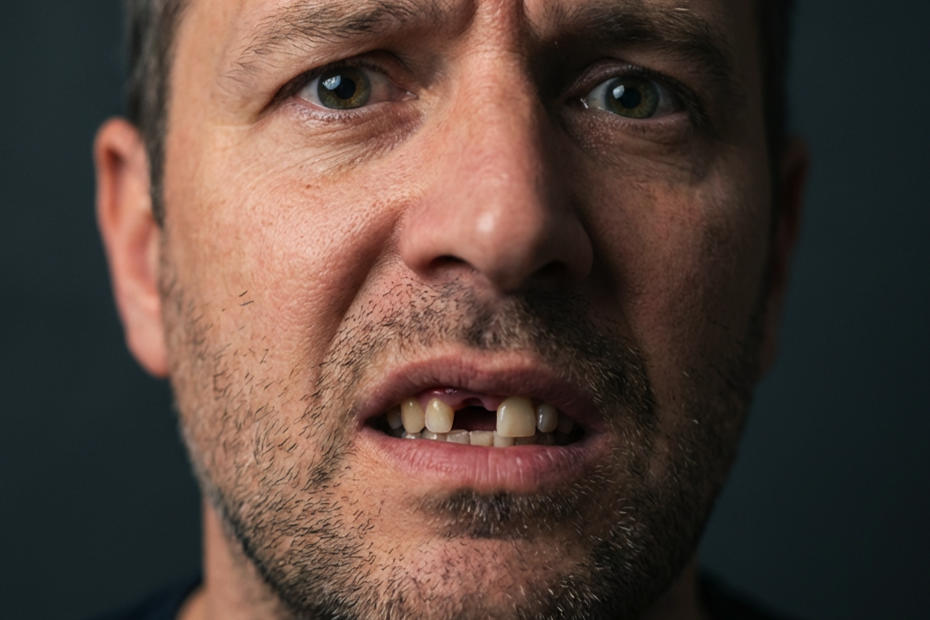
Losing a tooth can occur for various reasons, including injury, decay, and gum disease. Although it may not seem urgent if the gap isn’t visible or painful, ignoring a missing tooth may lead to a range of oral health problems over time. In this blog, we explain what can happen if a missing tooth is left untreated, the risks involved, and the various treatment options available to restore your bright smile.
Why Replacing A Missing Tooth Matters
Your teeth are designed to work together, so when one is missing, the balance of your bite can be affected, even if the gap is at the back of the mouth. Without replacement, surrounding teeth may begin to shift, your bite may change, and your overall oral health can suffer – often gradually and without obvious early symptoms.
What Happens If You Ignore A Missing Tooth?
1. Nearby teeth can shift out of place
When a tooth is lost, the neighbouring teeth naturally move into the empty space. This can cause crowding, gaps, and misalignment, making your teeth harder to clean and increasing the risk of decay and gum disease.
2. Bone loss in the jaw
Your jawbone relies on stimulation from your tooth roots to stay healthy. When a tooth is missing, that stimulation stops, leading to bone loss in the area over time. This can affect your facial structure and may make future tooth replacement treatments more complex.
3. Increased risk of gum disease
Gaps between teeth can trap food and bacteria, which become harder to remove with brushing alone. This raises the risk of plaque build-up, gum inflammation, and eventually gum disease.
4. Changes to your bite and jaw discomfort
As teeth shift, your bite can become uneven, and this may lead to jaw pain, headaches, or discomfort when chewing. In some cases, this can contribute to TMJ (jaw joint) issues.
5. Difficulty chewing and speaking
Missing teeth can make it harder to chew certain foods properly, potentially affecting digestion. Depending on the location of the gap, speech may also be impacted.
6. Reduced confidence in your smile
Even if the missing tooth isn’t visible when you smile, many people become more self-conscious over time – especially if further movement or gaps begin to appear.
Missing Tooth Treatment Options:
The good news is that there are several effective treatments available to replace a missing tooth! Your dentist will recommend the best option based on your oral health, budget, and lifestyle.
Dental implants
Dental implants are a long-term solution that replaces both the tooth and its root. They help prevent bone loss and function like a natural tooth.
Dental bridges
A bridge uses the neighbouring teeth to support a false tooth, restoring appearance and function.
Dentures
Partial dentures can replace one or more missing teeth and are a more affordable option for some patients.
What Is The Best Treatment For A Missing Tooth?
There isn’t a one-size-fits-all solution; it really does depend on your current situation. The best treatment depends on factors such as:
- The position of the missing tooth
- Your gum and bone health
- How long has the tooth been missing
- Your budget and preferences
A dental consultation allows your dentist to assess your mouth and discuss the most suitable option for you.
Even a single missing tooth can affect your oral health more than you might expect! Early treatment can prevent further complications, protect your remaining teeth, and help maintain a healthy, confident smile. If you have a missing tooth or are unsure about your options, booking a dental assessment is the first step toward protecting your long-term oral health. Contact our professional and expert team today!