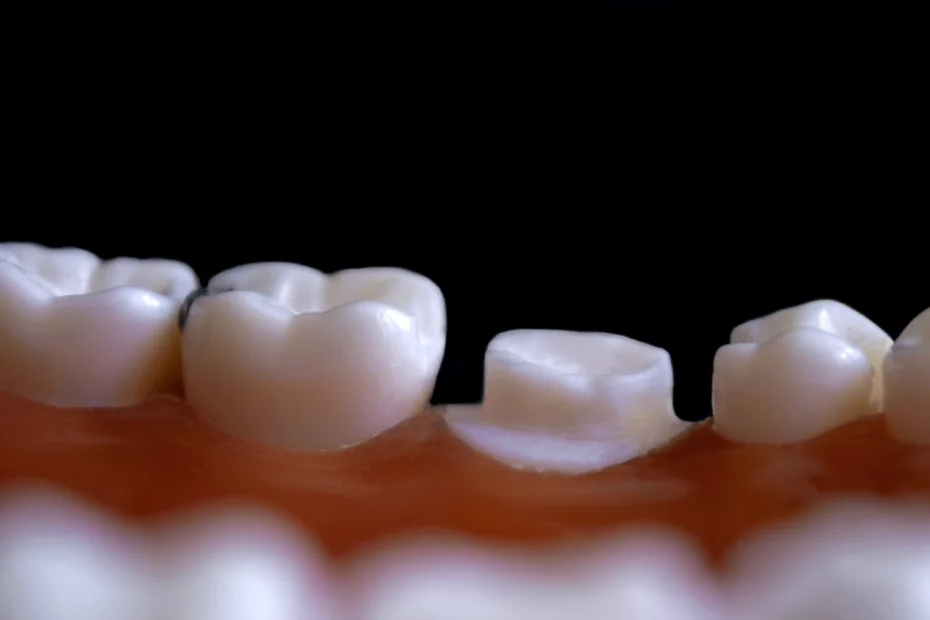
Cavities, also known as tooth decay, are one of the most common dental problems affecting adults, but the good news is that they are largely preventable. With the right daily habits, professional care, and dietary choices, you can significantly reduce your risk of tooth decay and maintain a healthy, confident smile. Preventing cavities in adults is not only essential for protecting your teeth but also for supporting your overall oral health and wellbeing. In our blog, we’ll share everything you need to know about cavities and how to prevent them.
What Causes Cavities In Adults?
Cavities occur when plaque builds up on the surface of your teeth. Plaque is a sticky film of bacteria that feeds on sugars from food and drinks, producing acids that gradually wear down tooth enamel. Over time, this can create small holes in the teeth. Understanding the causes that create cavities is the first step toward effective cavity prevention.
Common causes of cavities in adults include:
- Poor oral hygiene
- Frequent consumption of sugary or acidic foods and drinks
- Dry mouth (reduced saliva flow)
- Skipping regular dental check-ups
- Worn fillings or dental work
How To Prevent Cavities In Adults:
1. Brush Your Teeth Properly Twice A Day
Brushing your teeth twice a day with fluoride toothpaste is one of the most effective ways to prevent cavities in adults. Fluoride strengthens tooth enamel and helps protect against acid attacks from plaque bacteria. In addition to this, if you haven’t already, consider getting an electric toothbrush that can be especially effective at removing plaque.
Make sure to:
- Brush for at least two minutes
- Use a soft-bristle toothbrush
- Clean all surfaces of your teeth, including along the gumline
- Brush before bed and once more during the day
2. Clean Between Your Teeth Daily
Brushing alone cannot reach the tight spaces between your teeth where plaque often builds up. Cleaning between your teeth daily, especially by using floss or interdental brushes, really helps to remove trapped food and bacteria. This simple step can significantly reduce your risk of cavities and gum disease.
3. Reduce Your Sugar Intake
Sugar is a significant contributor to tooth decay. When bacteria feed on sugar, they produce acids that weaken tooth enamel. Reducing the frequency of sugar consumption is just as important as reducing the amount consumed.
To help prevent cavities:
- Limit sugary snacks and drinks
- Avoid frequent snacking throughout the day
- Choose water instead of sugary beverages
- Be mindful of hidden sugars in processed foods
4. Visit Your Dentist Regularly
Regular dental check-ups are essential for preventing cavities in adults, as your dentist can detect early signs of tooth decay before they become more serious problems. Professional dental cleanings can remove plaque and tartar buildup that cannot be removed at home. Most adults should visit their dentist every six months, although your dentist may recommend more frequent visits depending on your oral health.
5. Stay Hydrated And Support Saliva Production
Saliva plays an important role in protecting your teeth, as it helps wash away food particles and neutralise acids in the mouth. A dry mouth can increase your risk of cavities, so staying hydrated is essential.
To support healthy saliva production:
- Drink plenty of water throughout the day
- Avoid excessive caffeine and alcohol
- Consider sugar-free chewing gum to stimulate saliva
6. Use Fluoride Products
Fluoride helps strengthen enamel and makes teeth more resistant to decay. In addition to fluoride toothpaste, your dentist may recommend fluoride mouthwash or professional fluoride treatments.
These products provide additional protection, especially if you are at higher risk of cavities.
7. Maintain A Healthy, Balanced Diet
A balanced diet supports strong teeth and healthy gums. Foods rich in calcium, such as dairy products, leafy greens, and almonds, help strengthen tooth enamel. Crunchy fruits and vegetables, like apples and carrots, can also help naturally clean your teeth and stimulate saliva flow.
Signs You May Have A Cavity
Early cavities may not cause noticeable symptoms, which is why regular dental visits are important. However, warning signs can include:
- Tooth sensitivity
- Toothache or discomfort
- Visible holes or dark spots on teeth
- Pain when eating or drinking
If you notice any of these symptoms, it is important to see your dentist promptly.
Preventing cavities in adults is all about consistency. By maintaining good oral hygiene, limiting sugar, attending regular dental appointments, and supporting your overall oral health, you can protect your teeth for years to come. Small daily habits make a big difference. If you’re looking to book a dental check-up with our professional and friendly team, contact us today!